5 Facts About Kwame Nkrumah You Don’t Know
As Ghana prepares to celebrate Founders’ Day on September 21, 2026, it takes a moment to honor the remarkable individuals whose efforts were pivotal in shaping the nation’s history and journey to independence.
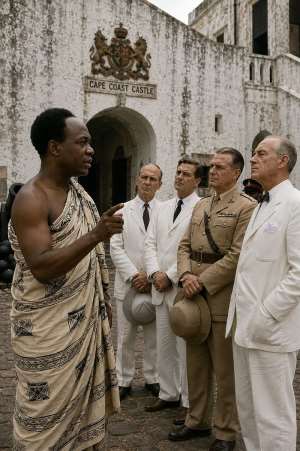
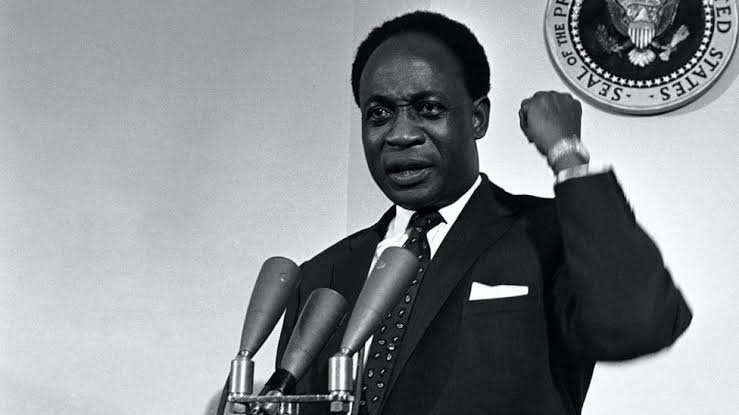
One of the most notable figures in this narrative is Dr. Kwame Nkrumah, the first President of Ghana. He is revered for his significant role in the fight for independence and his ambitious vision for a united and free Africa.
Yet, many lesser-known aspects of his early life and political ascent enrich our understanding of this influential leader.
Here are five intriguing facts about Dr Kwame Nkrumah that might surprise you.

1. His early life was shaped by his parents’ trades
Born into a family grounded in traditional commerce, Dr Nkrumah’s father, Kofi Ngonloma, was a goldsmith, while his mother, Elizabeth Nyaniba, worked as a retail trader and fishmonger. Their professions played a crucial role in Nkrumah’s upbringing.
ALSO READ: Why Are Ghanaian Children Performing Poorly in the BECE?
2. He was his mother’s sole child
Dr Nkrumah was born into a polygamous family setting, with his father having multiple wives and children. Distinctively, he was the only child of his mother, who ardently promoted his pursuit of education. Born in September 1909 in Nkroful, Gold Coast (now Ghana), Nkrumah was baptised a Roman Catholic and spent his initial nine years in a Catholic elementary school near Half Assini. He eventually attended Achimota College, where he completed his studies before venturing into a teaching career.
3. His teaching career preceded his political journey
After graduating from Achimota College in 1930, Nkrumah worked as a teacher in junior Roman Catholic schools in Elmina and Axim. He also spent time teaching at a seminary. These formative years as an educator set the stage for his later emergence as a key figure in Ghana’s independence movement.

4. His studies in the United States were transformative
In 1935, Nkrumah left the Gold Coast to further his education in the United States. He enrolled in Lincoln University in Pennsylvania, graduating in 1939 with multiple master’s degrees from both Lincoln University and the University of Pennsylvania. This period was also politically enriching, as he delved deeply into concepts of nationalism, socialism, and Pan-Africanism.
ALSO READ: Ghanaian Men Urged to Check Prostate Regularly as Cancer Can Remain Hidden for Years
5. The influence of Marcus Garvey marked his political development
While in the United States, Dr. Nkrumah engaged with the works of many influential political thinkers, including Karl Marx and Vladimir Lenin. Among those who significantly impacted him was Marcus Garvey, a Jamaican-born Pan-Africanist and Black nationalist leader. Nkrumah became actively involved in political organizing during this time and ultimately rose to become the president of the African Students’ Organization of the United States and Canada.
These insights not only deepen our appreciation of Nkrumah’s legacy but remind us of the many layers that contribute to the rich tapestry of Ghana’s history.